
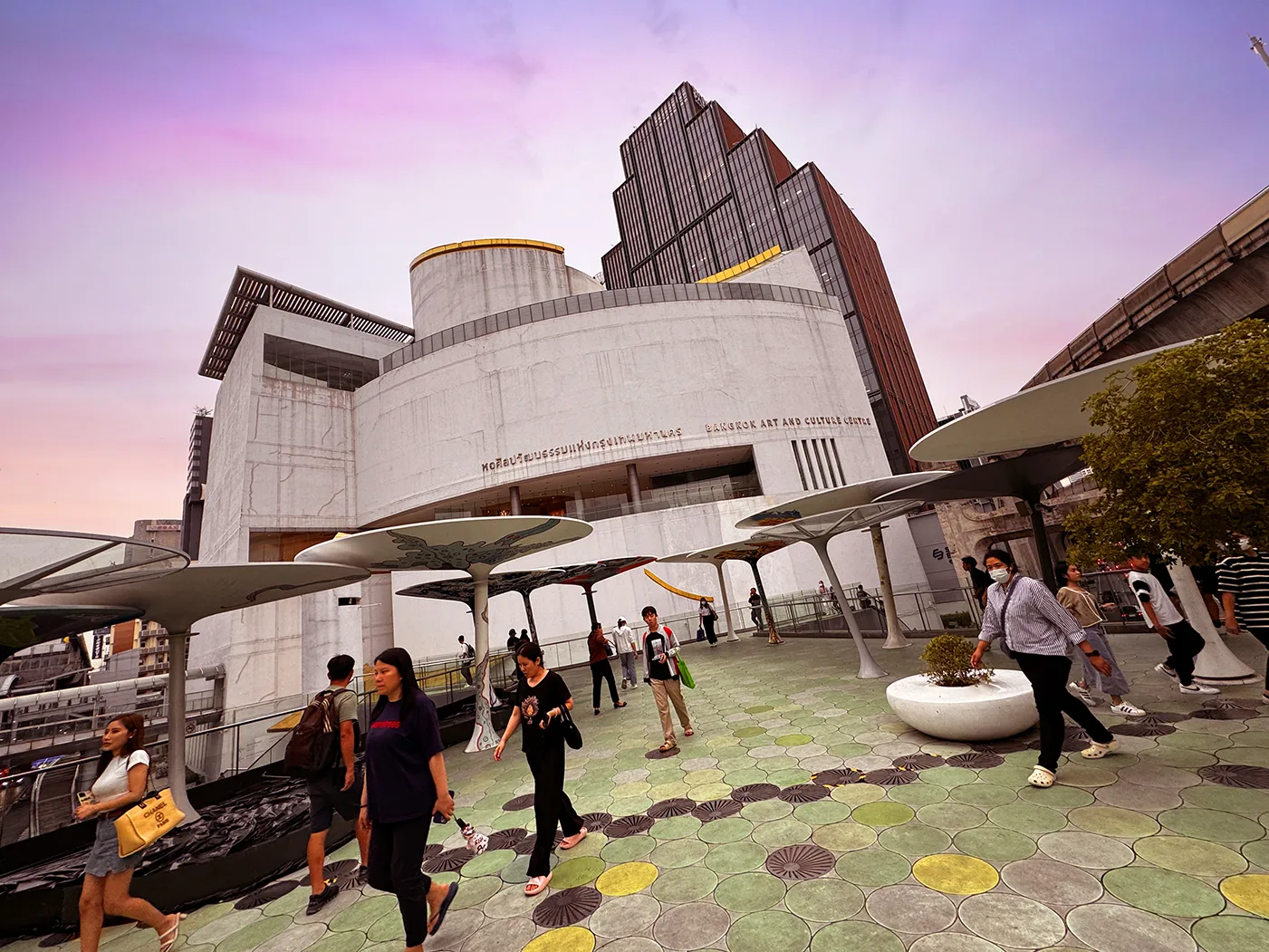

Cities shape how people encounter culture, not just through museums and theatres, but through the spaces they move through every day. In places where exhibitions sit alongside offices, public walkways and shared environments, art becomes something people discover rather than deliberately seek out. This approach has helped redefine what an art exhibition in Bangkok can feel like, positioning creative work as part of daily city life rather than something set apart from it.
When art appears within everyday surroundings, it removes the sense of formality that often surrounds cultural venues. People can pause, observe and reflect without committing to a scheduled visit. That accessibility encourages broader engagement and helps exhibitions reach audiences who might not normally visit traditional gallery spaces.
Art beyond enclosed venues
For decades, exhibitions were largely confined to controlled indoor settings. These environments offered consistency in lighting, layout and atmosphere, which remains valuable for certain types of work. At the same time, this separation created a clear divide between cultural spaces and the rest of the city, often limiting who felt comfortable stepping inside.
More open approaches blur that boundary. By allowing art to exist alongside everyday movement, exhibitions can feel less intimidating and more connected to their surroundings. Viewers encounter creative work in moments that feel natural, whether they are passing through, meeting someone nearby or simply taking a break from the pace of the city.
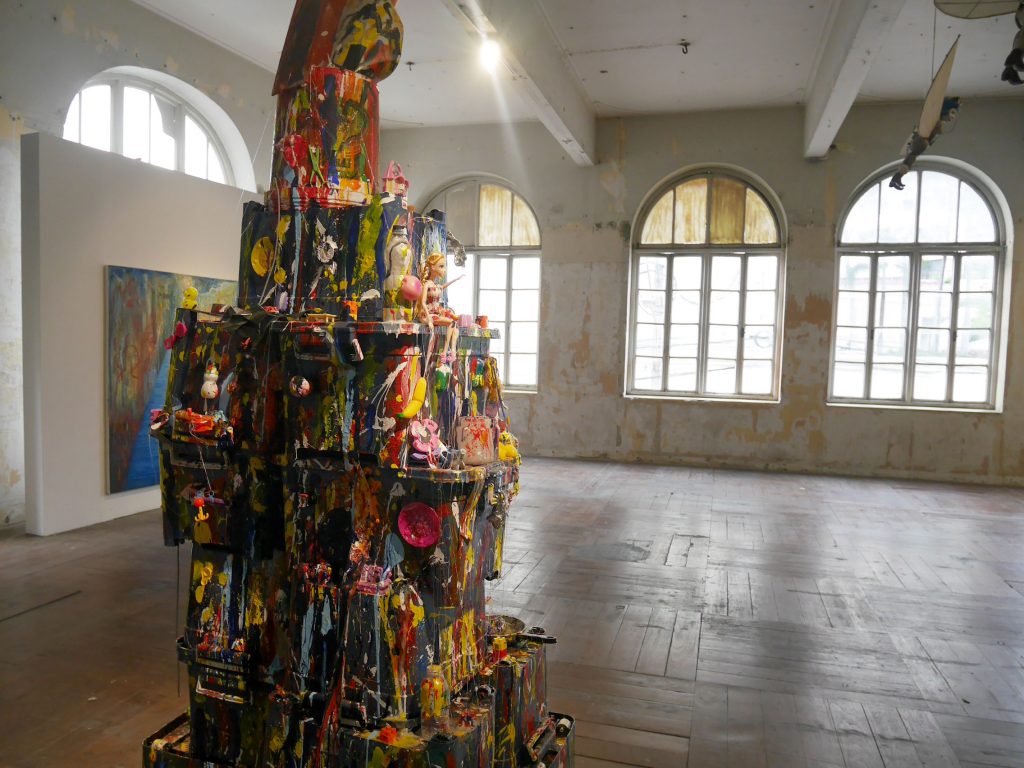
How public settings change the viewing experience
Encountering art outside a traditional gallery changes how it is perceived. Without fixed routes or prescribed viewing times, people engage more intuitively. Some may spend only a few moments with a piece, while others return repeatedly, noticing new details each time. This flexibility supports a more personal connection between the viewer and the work.
Publicly accessible environments also allow art to be seen by a wider range of people. Office workers, residents and visitors all interact with exhibitions differently, bringing their own perspectives into the experience. That variety of engagement adds depth, allowing the work to live beyond a single audience or moment.
Art that exists within the city does not demand attention, but invites it. By becoming part of the spaces people already inhabit, exhibitions can feel less like destinations and more like shared experiences woven into daily life.
Comments are closed.