
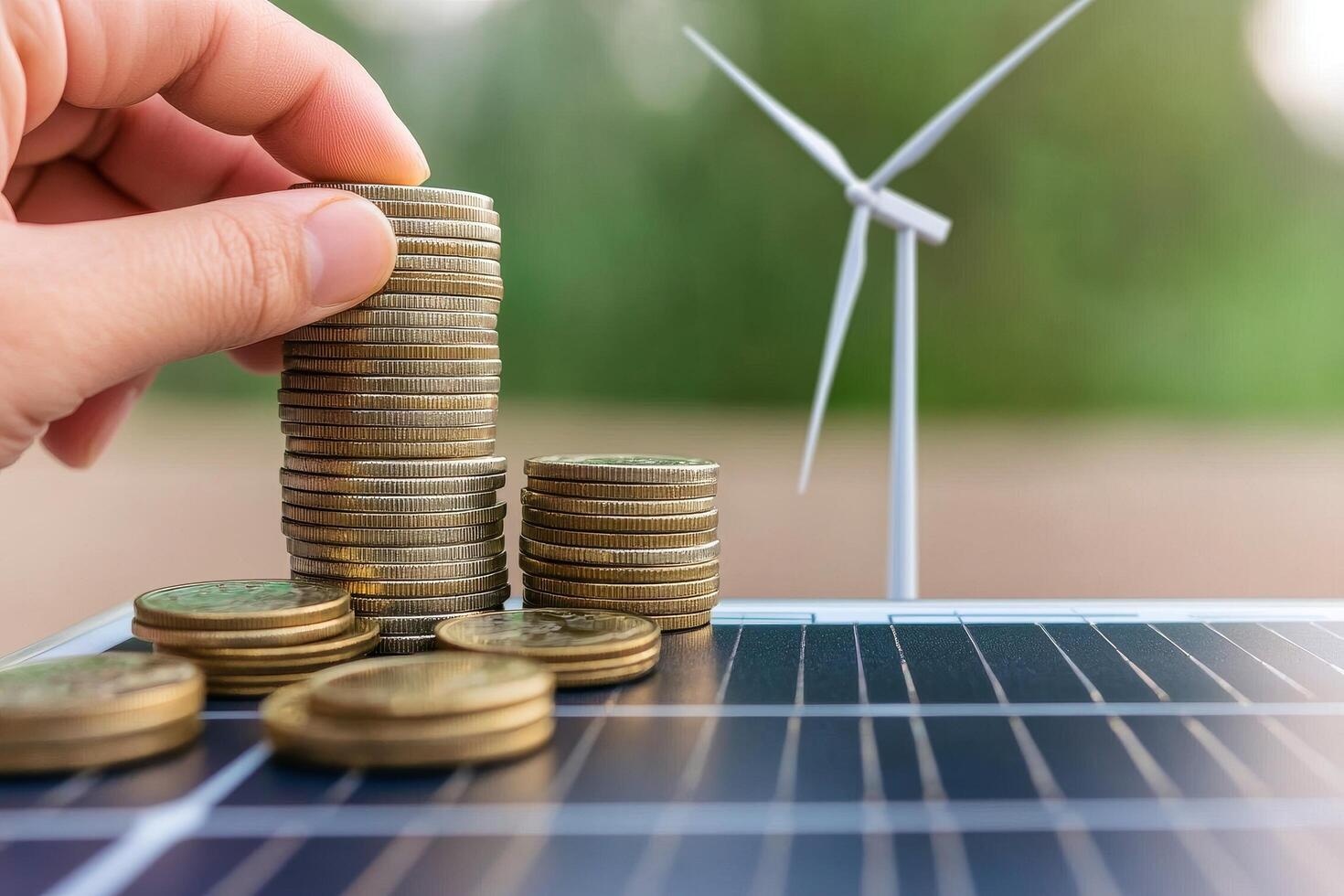

The global economy is witnessing a powerful shift toward sustainability, and business investment in renewable energy has emerged as one of the most dynamic and profitable frontiers of modern enterprise. Driven by technological innovation, policy incentives, and the urgent need to combat climate change, renewable energy is no longer a niche sector—it’s the backbone of future economic growth. From solar farms in the American Southwest to offshore wind projects along the Atlantic Coast, investment in clean energy is redefining how corporations create value, reduce costs, and meet evolving consumer expectations.
Understanding the Rise of Renewable Energy Investment
The rise in renewable energy investments stems from three main forces: economic competitiveness, regulatory support, and market demand for clean power. These factors have converged to make renewables not only environmentally responsible but also financially rewarding.
Economic Competitiveness and Cost Decline
The declining cost of renewable technologies has been one of the most transformative forces behind this investment boom. Over the past decade, the cost of solar photovoltaic (PV) modules has dropped by more than 80%, while onshore wind costs have fallen by over 50%. These reductions make renewable projects financially competitive with, and often cheaper than, fossil fuel-based generation.
Businesses now view renewable energy not as an expense but as a long-term cost-saving strategy. Many Fortune 500 companies have signed large-scale Power Purchase Agreements (PPAs) that lock in stable electricity prices for decades. This approach shields companies from volatile fossil fuel prices and aligns with corporate sustainability goals.
Regulatory Incentives and Policy Frameworks
Federal and state-level policies in the United States have played a pivotal role in shaping renewable energy investment. The Inflation Reduction Act (IRA) and previous tax credits like the Investment Tax Credit (ITC) and Production Tax Credit (PTC) have significantly reduced the financial barriers for new renewable projects. These incentives encourage corporations and investors to deploy capital into wind, solar, and emerging technologies such as hydrogen and energy storage.
States like California, Texas, and New York have also implemented Renewable Portfolio Standards (RPS) that require utilities to source a certain percentage of power from renewable sources. This policy framework creates predictable demand and drives further business participation.
Consumer and Shareholder Pressure
Modern consumers increasingly favor sustainable brands, and shareholders are demanding transparency regarding environmental performance. As a result, businesses investing in renewable energy gain more than just energy efficiency—they earn reputational capital. Adopting clean energy strategies signals commitment to sustainability, attracting environmentally conscious customers and investors alike.
Key Sectors Driving Renewable Energy Investments
Corporate Renewable Procurement
Corporate procurement of renewable energy has skyrocketed, with tech giants, manufacturers, and retailers signing long-term agreements for clean electricity. These agreements are often structured as PPAs or Virtual Power Purchase Agreements (VPPAs) that allow companies to invest in renewable energy even when they cannot install generation capacity on-site.
Corporate buyers view this as a double win: achieving carbon reduction goals while locking in predictable energy costs. The trend has expanded beyond tech to include sectors like healthcare, logistics, and finance, demonstrating widespread business adoption.
Venture Capital and Private Equity Involvement
Private investors are pouring unprecedented amounts of capital into renewable startups and infrastructure projects. Venture capital firms are targeting emerging technologies such as grid-scale batteries, carbon capture, and green hydrogen. Meanwhile, private equity funds are acquiring stakes in operational wind and solar farms to secure stable long-term returns.
Infrastructure and Institutional Investment
Pension funds, insurance companies, and sovereign wealth funds are recognizing the long-term potential of renewable assets. These investments offer stable cash flows with relatively low correlation to traditional market volatility. Renewable energy infrastructure is increasingly seen as a safe-haven asset with both environmental and financial resilience.
Emerging Technologies Shaping the Future
Energy Storage and Grid Modernization
One of the biggest challenges of renewable energy is intermittency—solar and wind are not constant. Energy storage solutions, particularly lithium-ion batteries, are addressing this issue by enabling excess energy to be stored and dispatched as needed. Businesses investing in battery technology and smart grid systems stand to gain from both improved reliability and regulatory incentives.
Green Hydrogen
Green hydrogen, produced through electrolysis powered by renewable electricity, is gaining momentum as a versatile energy carrier. It can decarbonize heavy industries such as steelmaking, cement, and chemicals, where direct electrification is difficult. Early investment in this sector positions companies at the forefront of the next energy revolution.
Floating Solar and Offshore Wind
Innovation in renewable infrastructure is also expanding geographically. Floating solar arrays allow businesses to utilize underused water surfaces for energy generation, while offshore wind farms are capitalizing on high wind speeds and large-scale generation potential. These technologies are particularly promising for coastal economies.
Financial Benefits of Investing in Renewable Energy
Businesses are discovering multiple layers of financial gain when investing in renewable energy:
- Reduced Operational Costs: Stable electricity pricing protects against market volatility.
- Tax Credits and Incentives: Federal and state programs reduce upfront costs and improve return on investment.
- Improved Asset Valuation: Renewable assets tend to appreciate as carbon-intensive assets decline in value.
- Investor Attraction: ESG-focused funds increasingly prioritize companies with strong sustainability commitments.
The economic logic is simple: investing in renewable energy is not only a social responsibility but also a sound business strategy that delivers measurable financial returns.
Risk Factors and Mitigation Strategies
Although the outlook is promising, investors must consider several risk factors:
- Policy Uncertainty: Shifts in political priorities can alter incentives or regulatory frameworks.
- Technology Risk: Rapid innovation may render certain technologies obsolete.
- Supply Chain Challenges: Global shortages in materials like lithium or rare earth metals can delay projects.
- Market Saturation: Increased competition can compress margins in mature renewable sectors.
To mitigate these risks, savvy investors diversify across technologies and regions, utilize long-term contracts, and engage in partnerships with experienced developers and operators.
The Role of Digital Transformation
Digitalization is transforming how renewable assets are managed and optimized. Artificial intelligence, predictive analytics, and the Internet of Things (IoT) enable real-time monitoring and predictive maintenance, extending equipment lifespan and improving output efficiency. Companies that integrate digital tools into renewable operations can enhance profitability and ensure greater operational transparency.
The Road Ahead: Renewable Energy as Core Strategy
Business investment in renewable energy is evolving from a sustainability initiative into a core corporate strategy. Leading organizations are setting ambitious net-zero goals and aligning their financial strategies with environmental objectives. This integration marks a paradigm shift in how capital is allocated, with renewable energy becoming central to long-term competitiveness and innovation.
The next decade will likely see accelerated deployment of hybrid systems that combine solar, wind, storage, and smart grid technologies. Additionally, decentralized generation—where businesses produce power closer to consumption points—will reduce transmission losses and increase energy independence.
Frequently Asked Questions (FAQ)
1. Why are corporations increasingly investing in renewable energy?
Corporations invest in renewables to reduce operational costs, hedge against fuel price volatility, meet sustainability targets, and improve brand reputation. Financial incentives and the availability of mature technologies make these investments both practical and profitable.
2. What is the role of government incentives in renewable energy growth?
Government incentives like the Investment Tax Credit and Production Tax Credit reduce upfront costs and attract private investment. These programs accelerate deployment and foster innovation across the renewable value chain.
3. Are renewable energy investments suitable for small businesses?
Yes. Many small and medium enterprises (SMEs) now access renewable energy through shared solar programs, on-site installations, or community energy projects. Financing models such as leasing and green loans make participation feasible.
4. How does renewable energy investment contribute to ESG goals?
Investing in clean energy directly supports the environmental pillar of ESG. It reduces carbon emissions, improves resource efficiency, and aligns corporate governance with sustainable development principles.
5. What is the long-term outlook for business investment in renewable energy?
The long-term outlook is exceptionally strong. Technological advancements, consumer demand for sustainability, and global climate commitments are ensuring steady growth. Businesses investing today are positioning themselves as leaders in a low-carbon economy.
This comprehensive exploration demonstrates that business investment in renewable energy is more than a passing trend—it’s the defining growth market of the 21st century. Companies that invest early and strategically will not only enhance profitability but also shape the sustainable future of global commerce.
Comments are closed.