
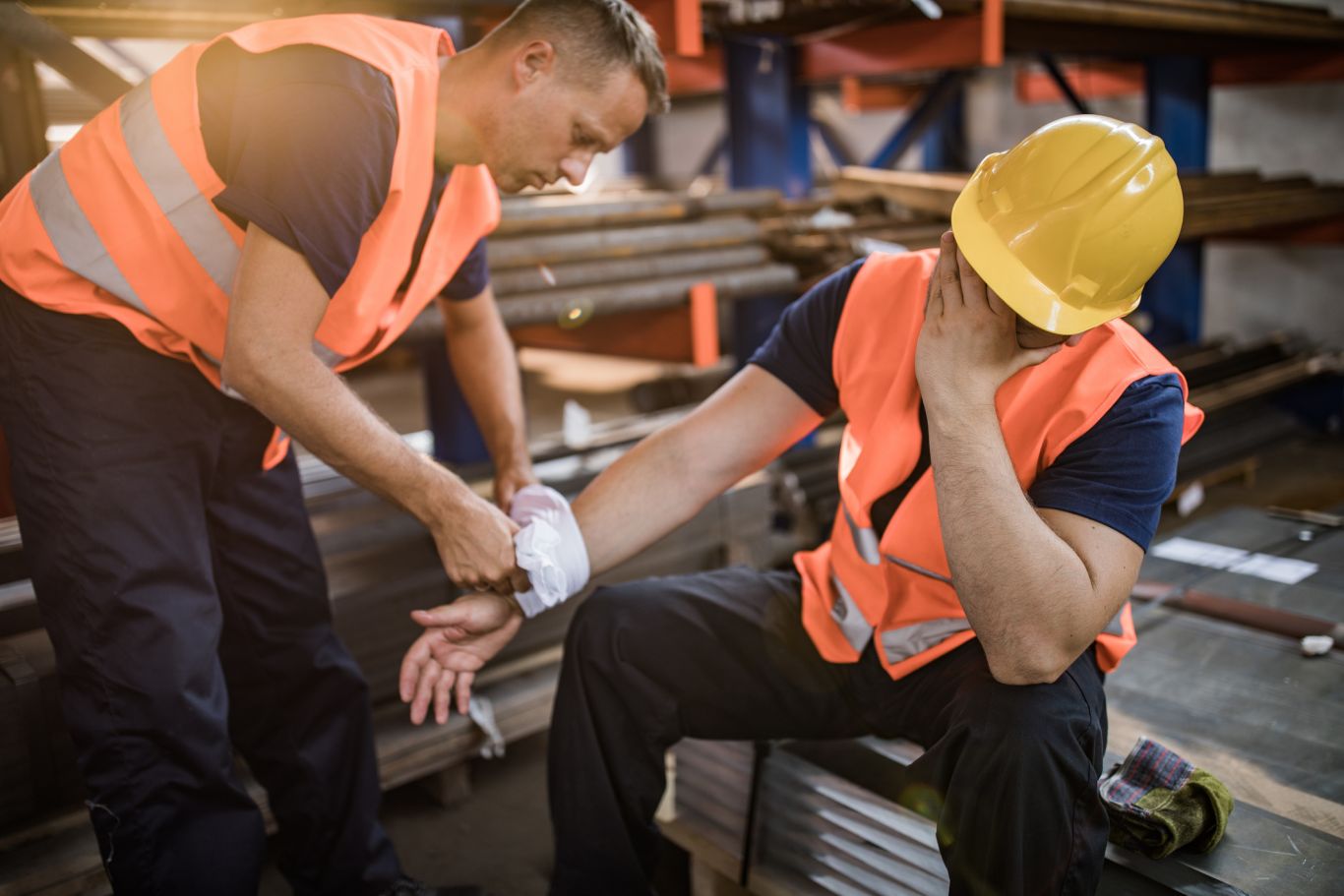

Despite decades of improvement in workplace safety standards, injury rates remain alarmingly high across multiple industries. From construction sites and manufacturing floors to logistics hubs and healthcare settings, employers continue to face serious risks—both to their people and to their bottom line. One of the most effective strategies for changing this trajectory is improving how safety incidents and near misses are reported and acted upon.
According to Protex AI’s workplace safety report, there are over 2.8 million workplace injuries recorded globally, highlighting the urgent need for more proactive safety interventions. Many of these incidents are preventable. The problem isn’t always a lack of policy—it’s often a breakdown in communication, culture, or response mechanisms.
Why Injury Statistics Aren’t Dropping Fast Enough
Organisations around the world have invested in compliance systems, training programmes, and PPE. Yet the injury count stays stubbornly high. Why? In many cases, the issue lies in underreporting or delayed responses. Workers may not report minor incidents due to fear of blame, lack of time, or the belief that “this is just how the job goes.”
This silence is dangerous. A near miss is a gift—it offers a chance to learn and prevent something worse. But if it’s never reported, it can’t be investigated, and the hazard persists unchecked.
The Reporting Gap: Culture or Capability?
When workers don’t speak up, safety problems fester. But what causes this silence? In many cases, it stems from organisational culture. If the message from leadership is “no news is good news,” employees may feel discouraged from reporting issues.
Alternatively, the problem might be logistical. Paper forms, outdated software, or unclear reporting chains make it difficult to log concerns quickly. In fast-paced environments, the burden of documentation can deter even well-meaning teams.
To close this gap, companies must improve both the mindset and the tools available. Safety needs to be viewed as a shared responsibility, not a policing mechanism. Workers should be empowered and rewarded—not penalised—for raising concerns. And the reporting process itself should be frictionless and accessible.
Technology’s Role in Incident Reporting
AI and digital platforms are transforming how organisations approach health and safety reporting. From mobile apps that allow on-the-go submissions to AI-driven platforms that spot patterns across data sets, technology reduces reporting friction and improves insights.
Rather than relying solely on manual inputs, modern systems can auto-log video data, send alerts based on unusual patterns, and aggregate reports across sites. This not only improves speed and accuracy but also ensures that no piece of information falls through the cracks.
These systems allow EHS managers to move from reactive paperwork to proactive analysis, targeting high-risk behaviours before they lead to injury.
Common Barriers to Effective Reporting
To build a more accurate picture of safety performance, it’s important to address the barriers that keep incidents unreported. Some of the most common include:
- Fear of retaliation: Workers may worry about being blamed, disciplined, or even losing their job for admitting to mistakes or unsafe conditions.
- Lack of trust: If previous reports were ignored or dismissed, employees may believe that speaking up won’t change anything.
- Unclear process: When it’s not obvious how or where to report, people often won’t bother.
- Time pressure: In busy workplaces, even a 10-minute form can feel like a burden.
Removing these obstacles starts with leadership. Management must clearly communicate that safety reporting is a priority—and that the goal is learning and improvement, not punishment.
Training as a Tool for Cultural Change
Education plays a major role in boosting reporting rates. Workers need to know what counts as a reportable incident, why it matters, and how to raise concerns effectively. Too often, employees only report serious accidents—when in reality, it’s the small, frequent, seemingly harmless events that offer the best opportunities for prevention.
Ongoing training can reframe how people view safety. It reinforces that each report is a step toward protecting colleagues, improving systems, and reducing downtime. When paired with a simple, tech-enabled reporting process, training becomes the fuel for a more transparent and accountable safety culture.
Data-Driven Safety: Turning Reports into Action
Capturing reports is only half the battle—what matters next is how the data is used. Many organisations fail to capitalise on the insights hidden in their safety logs. Instead of reacting only to the most serious events, safety leaders should examine trends over time.
For example, if multiple teams report trips near a warehouse entrance, there may be a layout or housekeeping issue. If PPE non-compliance spikes during specific shifts, a supervision or training problem might exist. Data reveals these connections—if it’s reviewed regularly and systemically.
Modern AI-based safety platforms are designed for this type of analysis. They visualise hotspots, track behavioural changes, and support predictive analytics. EHS managers can then develop targeted interventions, adjust policies, or update training—addressing root causes, not just symptoms.
From Compliance to Culture
Compliance will always matter. Meeting regulatory standards is essential. But great safety programmes go further. They embed safety into the culture—making it part of how people work, communicate, and think.
Strong reporting systems support this shift. When employees see that reports lead to action—and that speaking up is encouraged—they’re more likely to engage in proactive safety behaviours. Over time, reporting becomes a norm rather than an exception.
This evolution from compliance to culture results in fewer incidents, lower costs, and stronger team cohesion.
Leadership’s Role in Raising Reporting Rates
No technology or process can replace the influence of leadership. The tone set by senior leaders, line managers, and supervisors will ultimately determine whether safety reporting thrives or fails. Leaders should model the behaviour they want to see: asking about hazards, praising transparency, and treating reports as opportunities—not interruptions.
They should also allocate resources accordingly. If reporting systems are clunky, update them. If reports aren’t followed up on, fix the accountability gaps. Every signal—from weekly meetings to safety dashboards—should communicate that reporting matters.
Looking Ahead
Health and safety reporting is evolving fast. As digital tools and data analytics become more powerful, the organisations that embrace smarter systems and more open cultures will be best positioned to reduce injuries and boost performance.
With over 2.8 million workplace injuries recorded globally, the stakes are high. But so is the opportunity. Companies that turn reporting into a strength—not a struggle—will protect their people and outperform their peers in the long run.
Comments are closed.